Kariba
Kariba Dam is the largest man-made lake in the world. The current installed capacity for Kariba South Power Station is 1050 MW, but power generation is limited by water flow. We plan to install approximately 500MW of solar panels so that the power generated can replace the deficit caused by the water flow.
Project Description
The hydro-floating solar hybrid project at Kariba could/will integrate
three sources of energy: hydro (already existing and operational assets), solar and Battery Energy Storage System (BESS). With the use of battery storage, we are able to regulate the power into the national grid to minimize and prevent the risk of drastic and potentially damaging spikes in production.
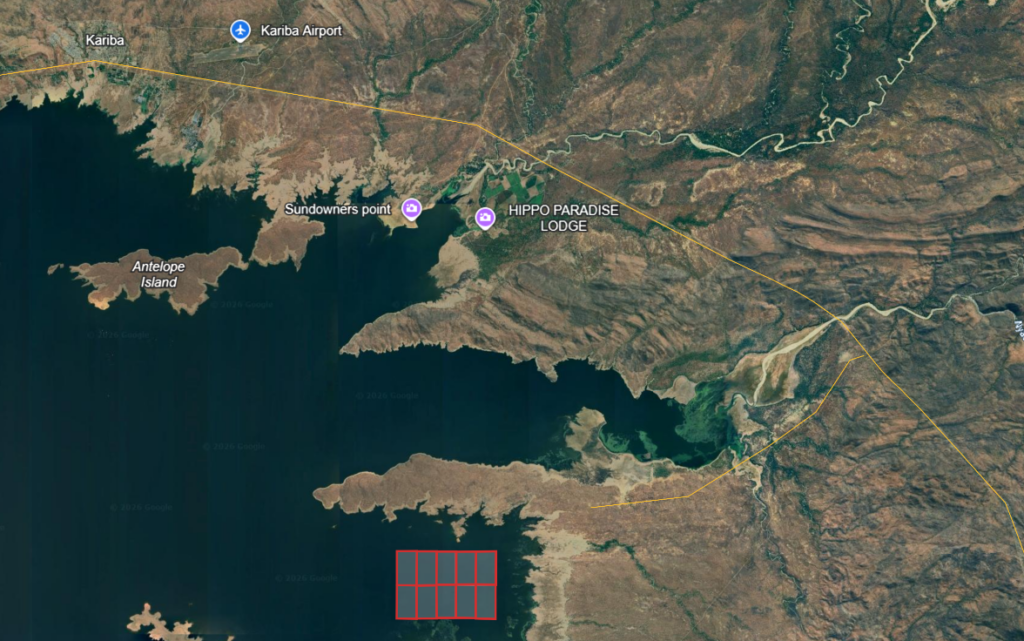
A crude visual example displaying location of panels in relation to the national power line coming from Kariba dam.
Solar Efficiency
It has been demonstrated that because of the “cooling effect” of water on solar panels Floating Solar PV (FSPV) power generation unit will be more efficient when compared with similar land-based installations.
Value Proposition
The solar panels, which will cover less than 0.1875 percent of the water body of Kariba, will not interfere with any other economic activities such as fishing, tourism and transport. Which are significantly important to the lake. To the contrary, the project will enhance not only energy security but also food security through promoting and up-scaling of fish farming on the lake that will be undertaken beneath the FSPV platform.

Environmental Impact
The project qualifies for Gold Standard for Carbon Credits accreditation on both generation and decarbonization under Article 6 of the Paris
Agreement. Please refer to our Contact page for more information on this.
The FSPV plant, made from environmentally friendly materials, will be assembled locally. Creating job opportunities, allowing sunlight to
penetrate the water surface without detrimentally impacting the underwater
eco-system.
Corporate Structure
It is “A coalition of the willing” as opposed to Command Structure. All the stakeholders must agree to co-operate because all the institutions have breaks and can stop the project but not one institution has power to move the project forward.
Power off-take
Driven by private sector market players who have committed themselves to consuming clean sources of energy in order to meet international obligations and standards. It will also assist in meeting the growth in energy demand in Zimbabwe on a sustainable basis.
Progress so far...
GHP engagement
Kariba Launch
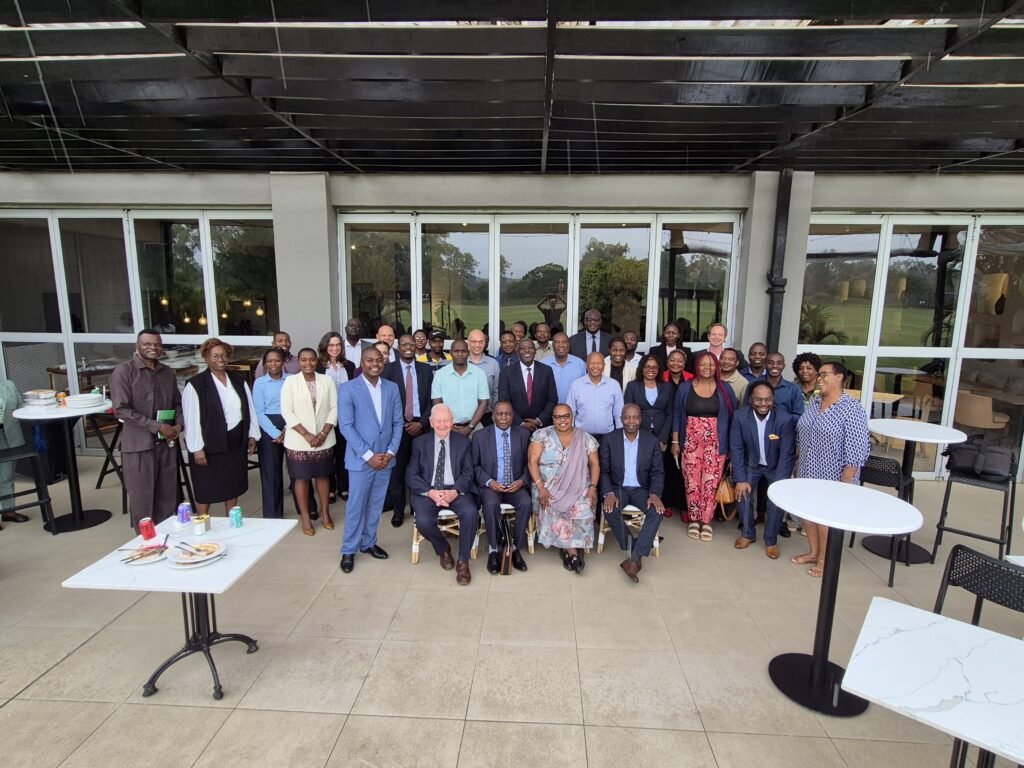
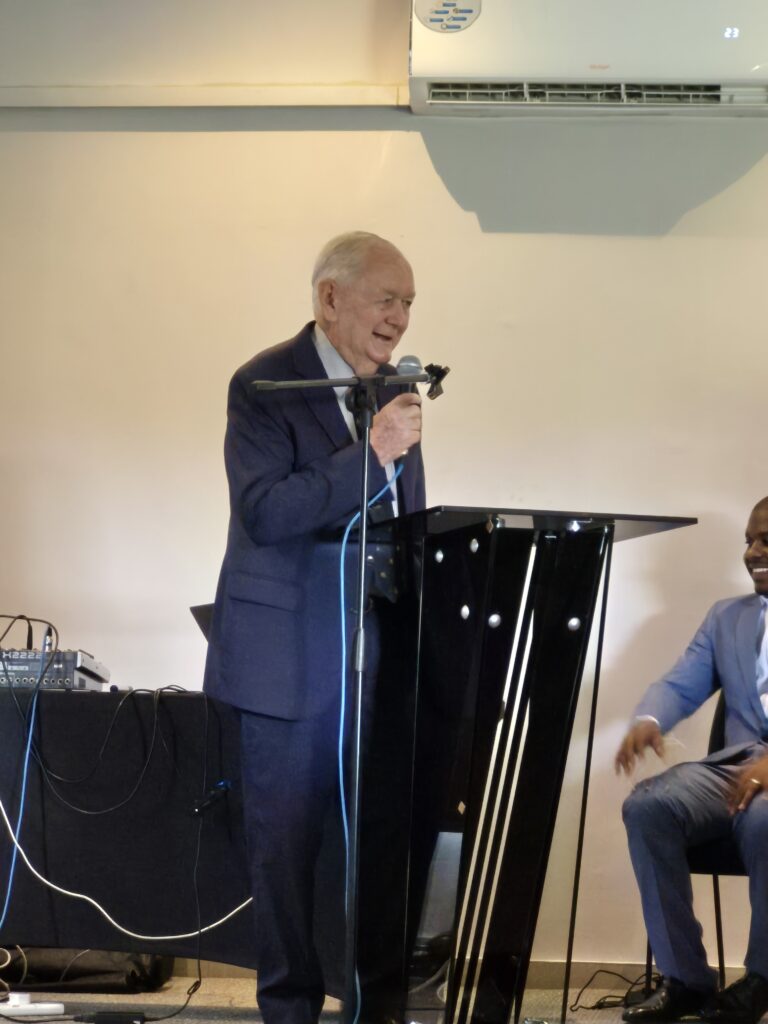
On the 2nd and 3rd of March 2026, Green Hybrid Energy (Pvt) Limited launched its first project in the form of a 500 megawatt solar power plant which will be located on Kariba Dam in Zimbabwe. The launch was initiated in a meeting of the 5 consulting firms employed for the preparation of a bankable feasibility study of the project. These are drawn from Germany, Spain, China, South Africa and Zimbabwe. The cost of this phase of the project is US$4,5 million which has been provided by Afrexim Bank of Cairo (US$3 million) and the Intensive Energy User Group (US$1,5 million).
Vice-chairman (IEUG) Mr. Eddie Cross
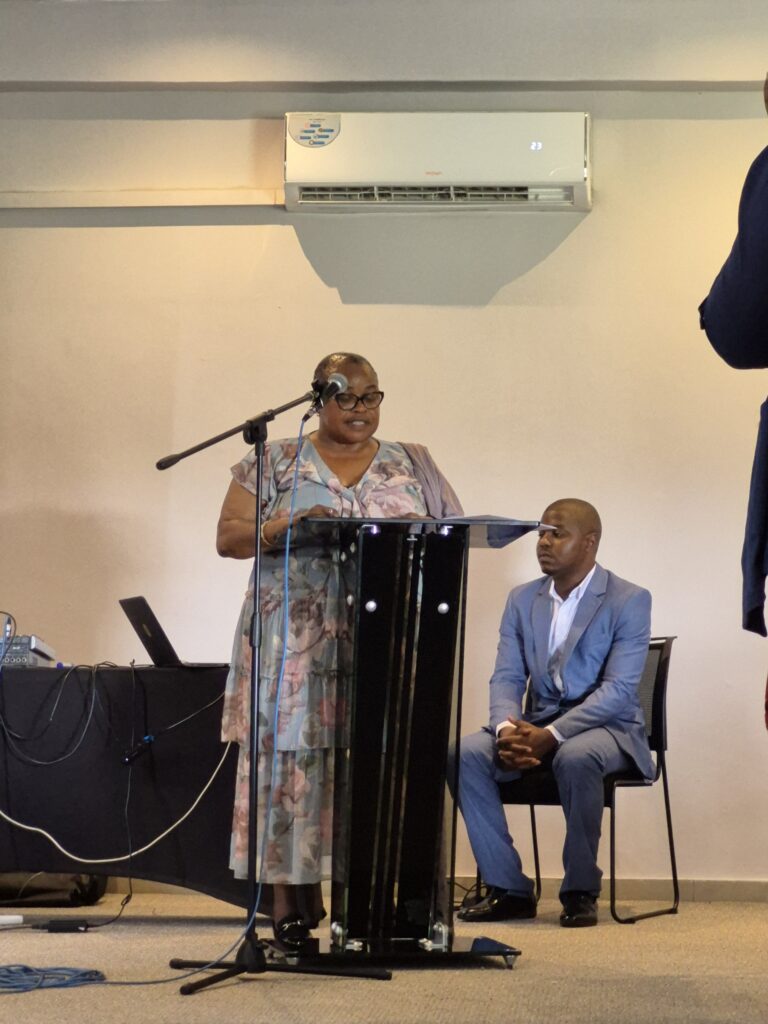
The Hon. Marian Chombo, M.P.
On day two the project was formally launched by the Minister of State for Mashonaland West, which is the host Province (seen above). This meeting was attended by all relevant stakeholders and was followed by a question and answer session. This phase is expected to take six months with the plant starting to deliver energy in 2027. The cost is projected to be US$400 million.
The project will be the largest solar power plant in Africa and will increase the output of the Kariba Dam Hydro Power plant by up to 35 per cent. It will also assist the management of the plant in terms of water management and assist in stabilising the river flow below the dam. The plant will employ the latest technologies available and a substantial battery complex that will manage the flow of energy into the national grid. It is expected to make a significant contribution to the energy market in Zimbabwe.
Our Consultants